
The CFO Is Going to Ask You That Question Again. Do You Have an Answer?

Scott Schnaars
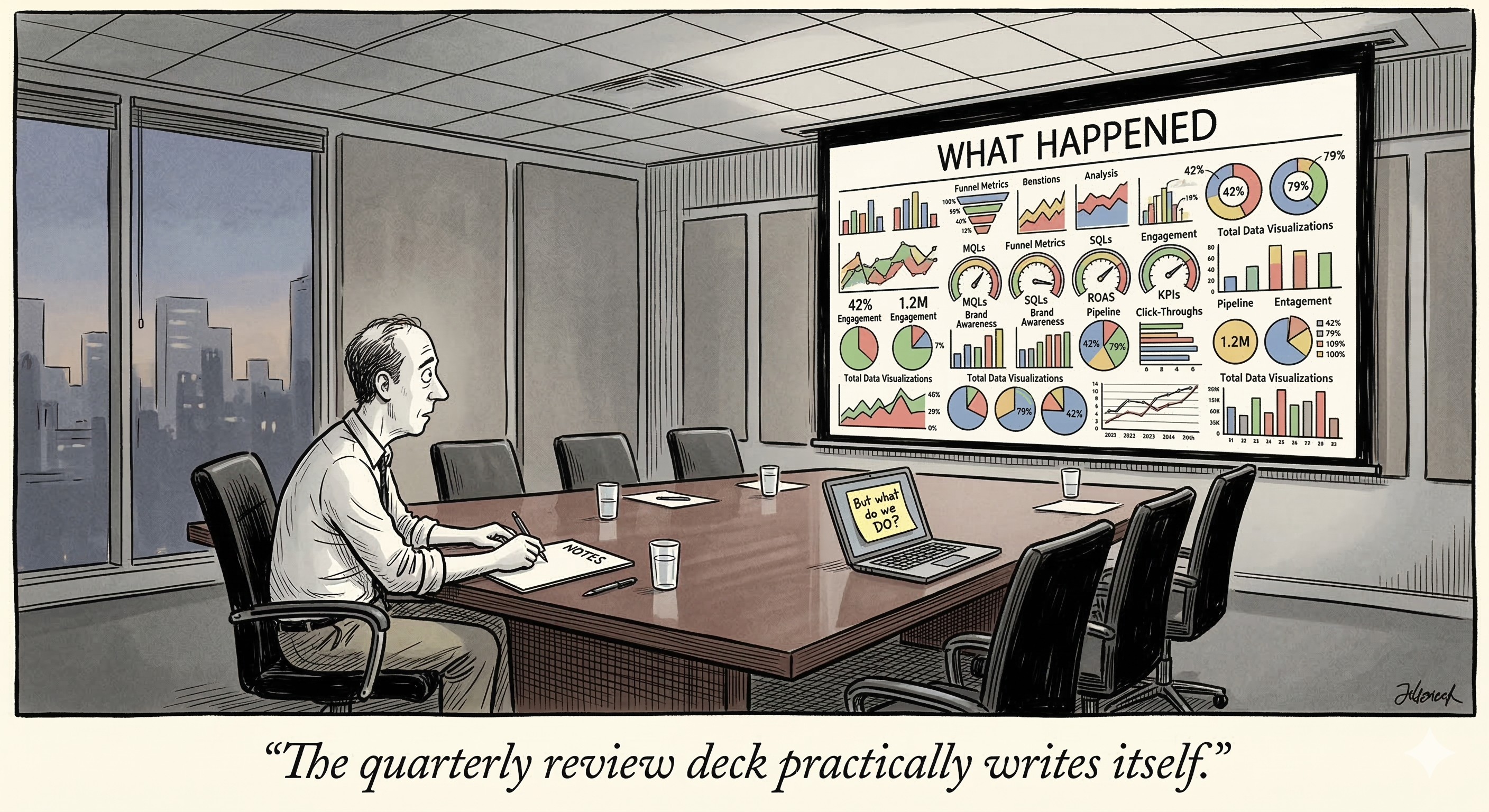
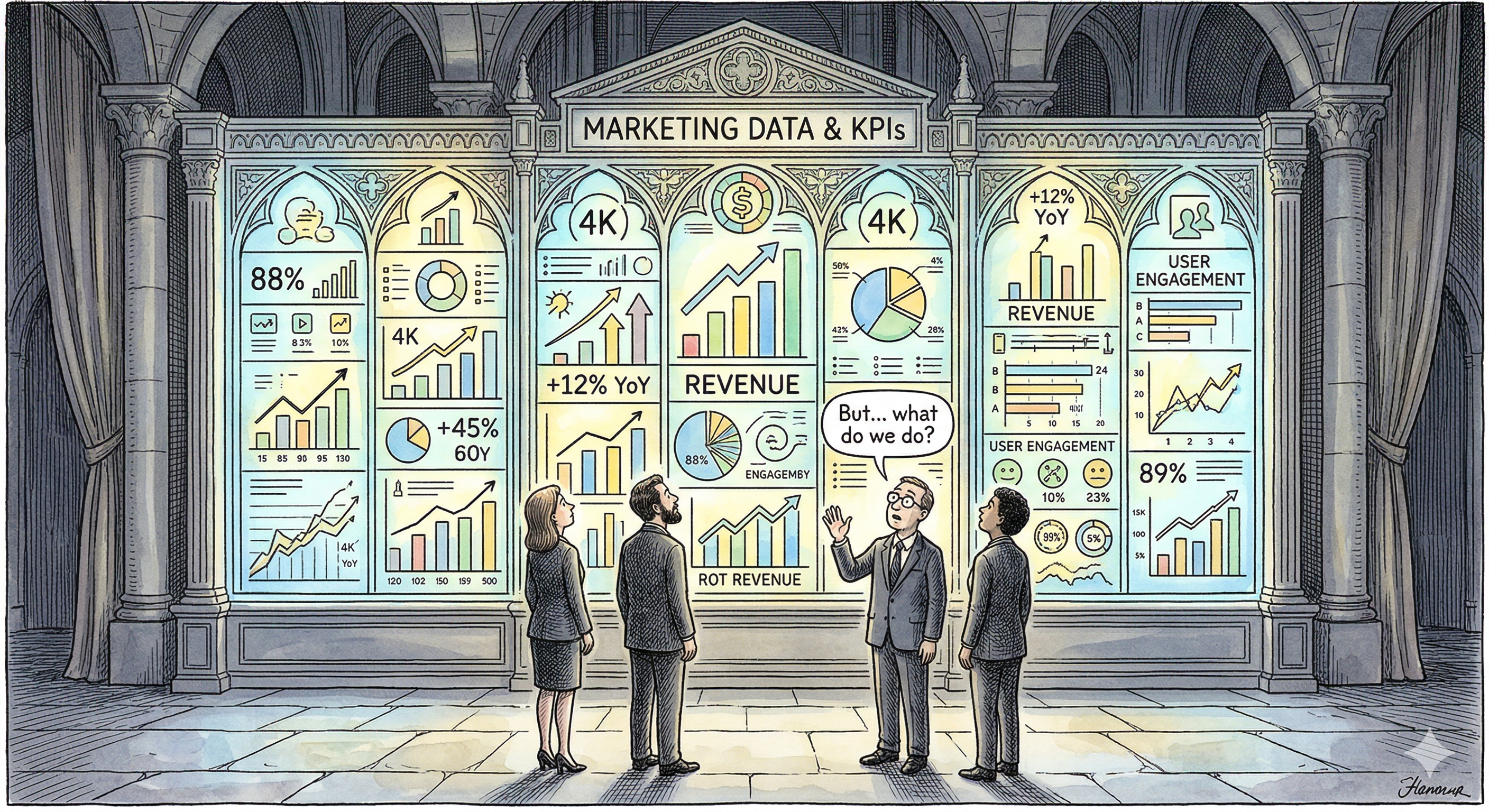
The meeting is the same every quarter. You walk in, slide deck loaded, ready to talk about pipeline contribution, brand momentum, and awareness metrics. The CFO looks up and asks the only question that actually matters: what did marketing close?
Most CMOs flinch. And it is not because they did not do anything. It is because the thing they did cannot be easily traced to a number on a spreadsheet.
Devon Shaw, VP of Marketing at LinkedIn, shared a stat recently that reframes the entire problem: the average B2B deal takes 211 days and involves 22 people. Half of those people are inside the buying company. Half are outside it. That means you are trying to influence people you have never met, who may not even know your company exists yet, over a period of seven months, and then explain what happened to someone who wants a clean attribution line.
That is not a measurement problem. That is a strategy problem dressed up as a measurement problem.
The companies winning right now are the ones that have stopped pretending those 211 days collapse into a single touchpoint. They are building measurement stacks that track what is actually happening: CRM sync so marketing spend connects to actual deal activity; conversions API so attribution is not dependent on a cookie that disappeared two years ago; company-level intelligence so you are not counting individual clicks while missing the full buying committee.
Here is the thing nobody wants to say out loud: if you are only measuring last-click, you are giving finance a story about the last 15 minutes of a seven-month process. Of course it looks thin. You built for speed when you needed to build for distance.
The CFOs asking hard questions are not wrong to ask them. They are working with the data they have been given. The CMO's job is to change what data they get.
95% of B2B buyers are not in-market at any given time. That means the majority of your budget is, by definition, working on people who are not going to buy this month. And that is correct. That is the job. The problem is that most marketing orgs cannot show the board what those seven months of influence actually produced when the deal finally closes.
That is the gap worth closing. Not the budget gap. The proof gap.
LMK if you want to talk through what that measurement infrastructure actually looks like in practice.