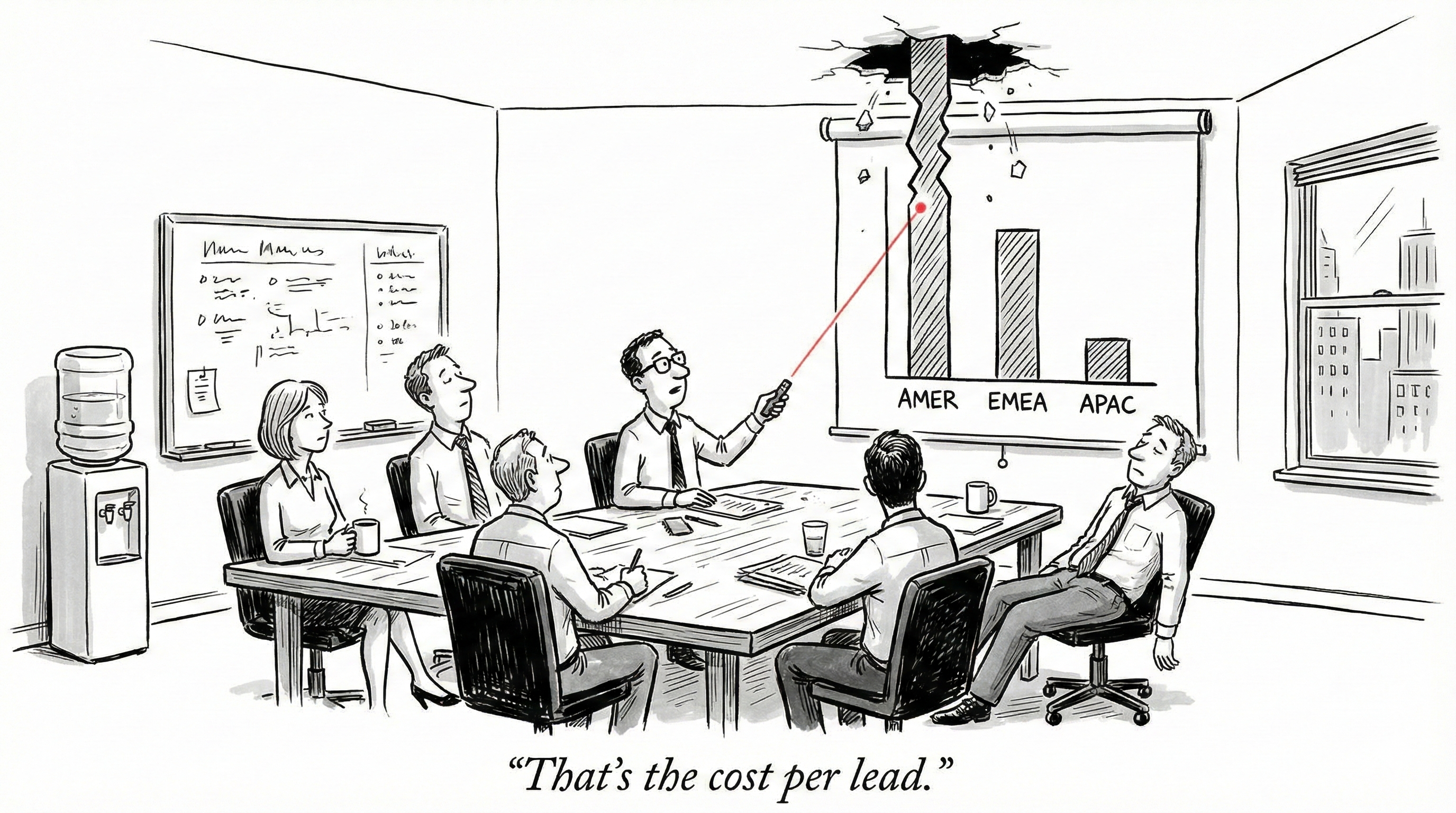

AI agent adoption in GTM is accelerating, but with studies showing that 90%+ of projects failing, the results, largely, are not.
Teams are deploying agents, connecting them to a channel or two, and wondering why the recommendations feel shallow. The problem isn't the model as much as it is what the model can see.
At Yirla, we call it the context gap.
A LinkedIn agent optimizing LinkedIn spend has no visibility into what Google or Meta are doing that same week. So when it recommends increasing budget on a campaign, it doesn't know that campaign is cannibalizing a Google Search audience that's converting at three times the rate. It's not wrong, it's just working with a fraction of the picture.
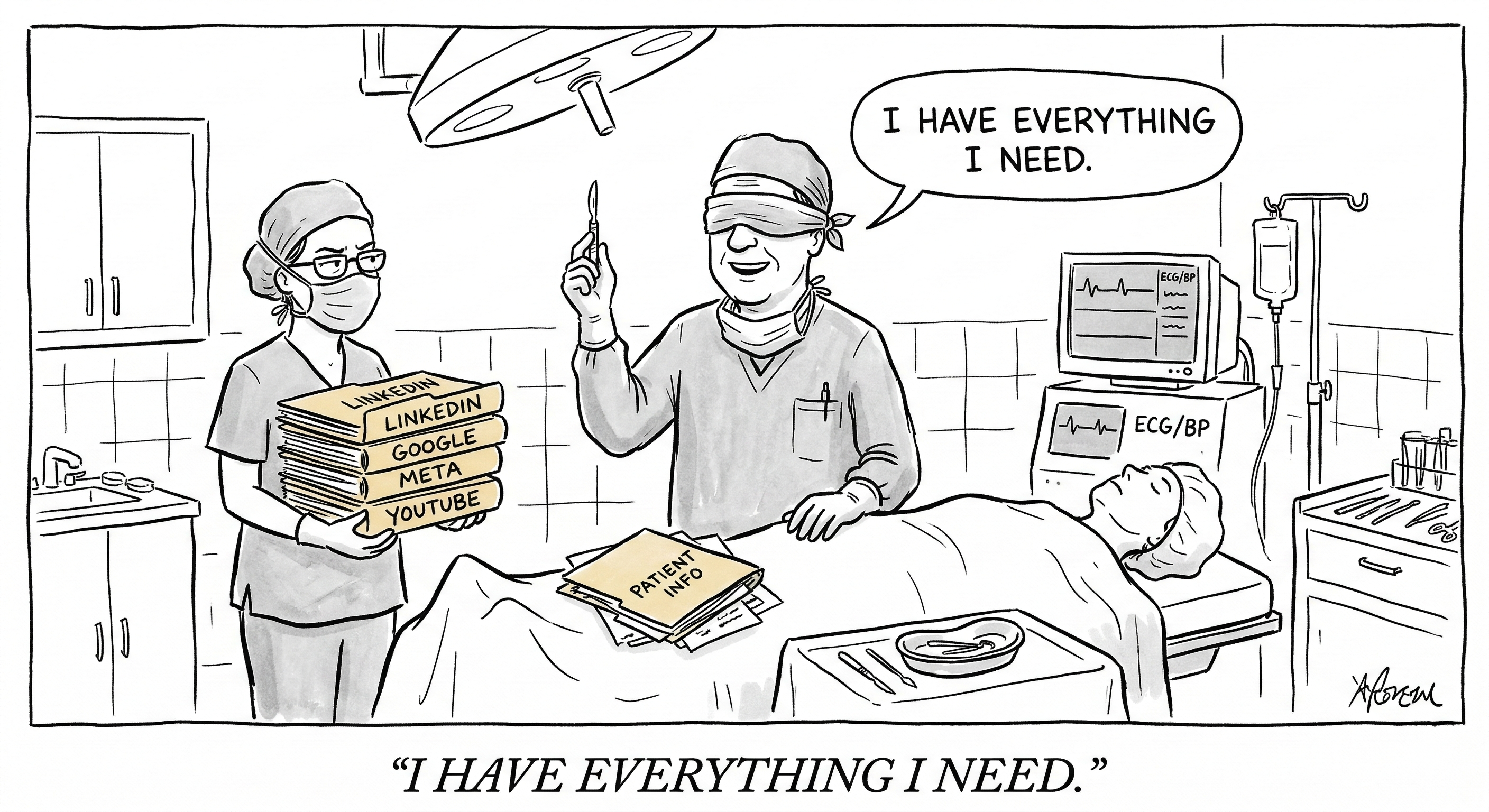
This breaks down in three specific places:
Anomaly detection. Cross-channel patterns are invisible if your agent only watches one channel. A sudden drop in LinkedIn CTR might be a creative fatigue issue or a competitor just launched an aggressive Google campaign pulling your audience's attention elsewhere. You won't know if the agent can't see both.
Budget reallocation. Moving spend between channels without cross-channel context is guesswork dressed up as optimization.
Creative decisions. A creative dying on LinkedIn doesn't show up in Google's dashboard. Without a unified view, you'll keep running it.
To fix this, you need a stronger foundation. That looks like connected data, not perfect data, giving the agent enough context to make decisions you'd actually trust.
These connected agents are what makes Yirla different from building your own agents.