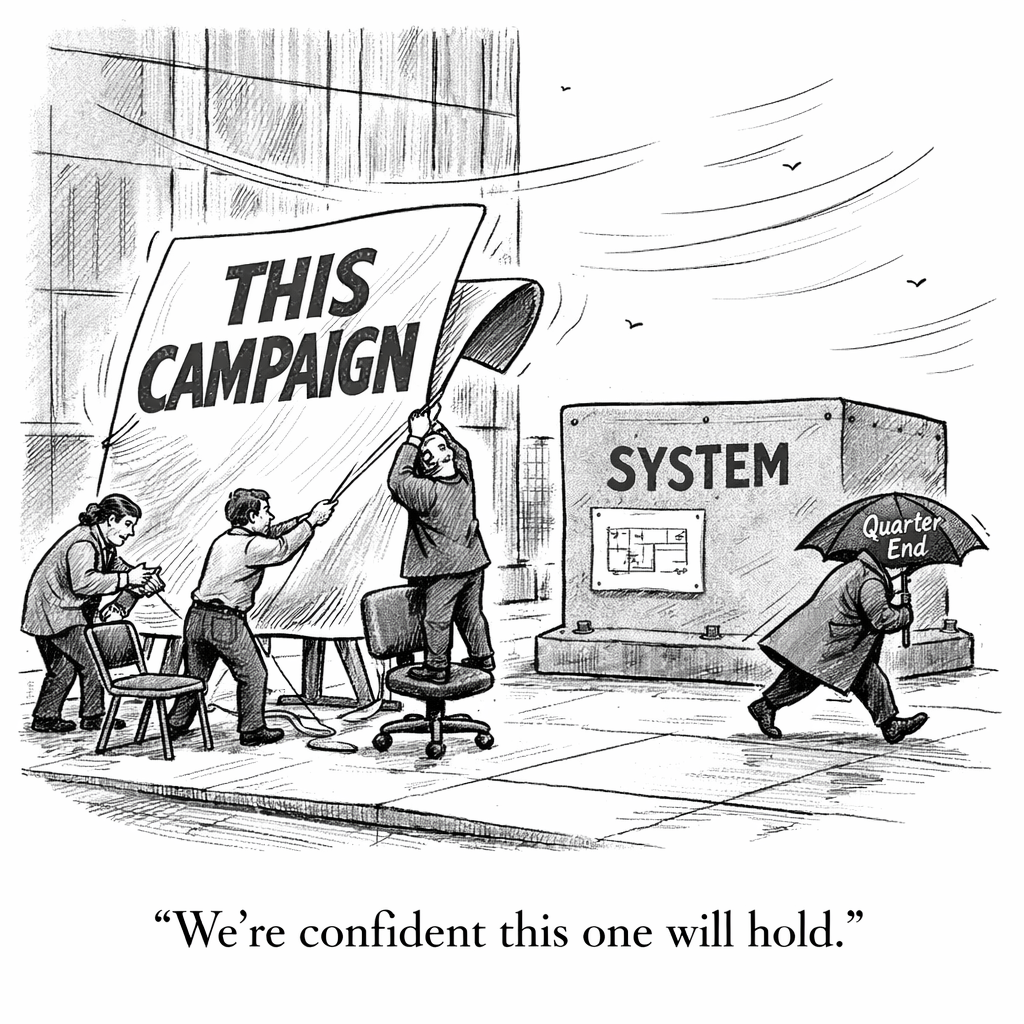
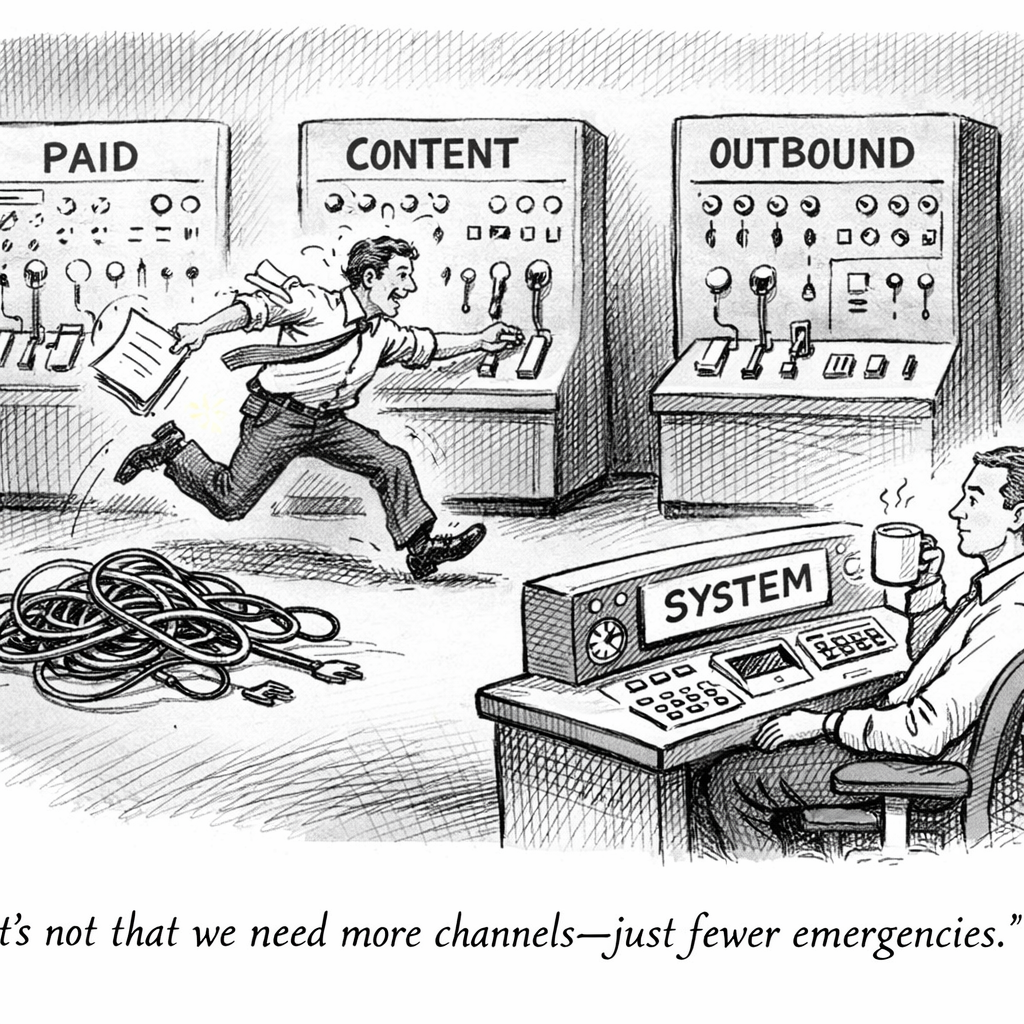

Your email campaign got a 4.2 percent click-through rate. That's solid. Your team is probably happy about it. The creative resonated. The subject line worked. The offer was compelling. And somewhere in the middle of celebrating that click, the actual business purpose of the campaign got lost. Did any of those clicks turn into pipeline? You don't know yet. And you're already moving on to the next campaign.
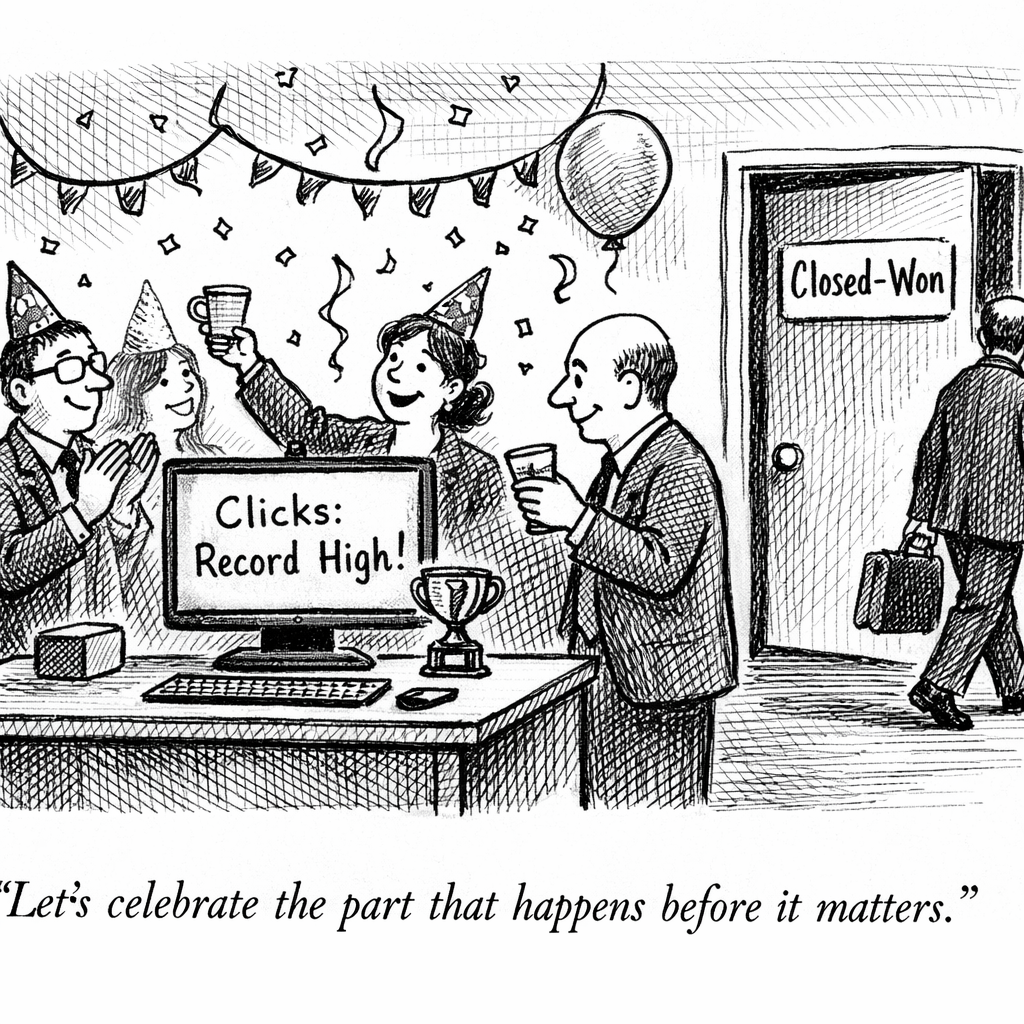
Why most demand gen managers optimize for what they can measure, not what matters, is because clicks are immediate and quantifiable. You hit send. Five minutes later, you have a number. Closed revenue happens in months. The connection is distant and indirect. So naturally, you optimize for what you can see right now. The problem is that what you can see right now doesn't correlate to what the business needs.
The campaign metrics that correlate with closed-won are different from what you think. It's not click-through rate. It's conversion rate within the right segment. It's cohort analysis of buyers versus non-buyers. It's the percentage of leads that move from one stage to the next within a target account list. These metrics are harder to calculate. They require more work. They also actually predict whether your campaign is working.
The metrics that lie are engagement metrics when the audience is wrong. Click-through rate when the audience is too broad. Lead volume when the leads aren't sales-qualified. All of these can look great while your pipeline velocity stays flat. Track them, sure, but don't celebrate them. Celebrate the ones that matter.
How to build a closed-revenue habit into your weekly campaign review is about structure and discipline. Every Friday, pull down one metric: for each of my campaigns running this week, what's the closed revenue influenced so far? You might not have the full picture, but you'll have something. Leads that turned into opportunities. Opportunities that turned into deals. A partial revenue number is better than a perfect engagement metric. Do this for four weeks in a row, and you'll see your intuition about what works completely shift.
What pipeline contribution actually looks like on a per-channel basis is the data that matters most. Google Ads might have the highest click-through rate. LinkedIn might have the highest engagement rate. But webinars might have the highest pipeline contribution per dollar spent. Once you understand that, your budget allocation becomes obvious. You don't spend money on channels that feel good. You spend money on channels that produce pipeline.
The question to ask your sales rep that will make you better at your job immediately: of the deals you closed last month, which ones had a demand gen touchpoint early in the journey? Then ask: what would have changed if that touchpoint wasn't there? That question, asked consistently, will teach you what actually matters.
Stop measuring activity. Start measuring outcomes.
Scott.